








Hoe verwijder je veilig een vastzittende of verroeste speciaalmoer?
Een vastgelopen of verroeste moer kan aanzienlijke problemen opleveren tijdens onderhoud, reparatie en upgrades van apparatuur. Wanneer een bevestigingsonderdeel moeilijk te verwijderen is als gevolg van corrosie, vervuiling, vervorming of langdurige blootstelling aan zware omstandigheden, kan onjuiste behandeling omliggende onderdelen beschadigen of de betrouwbaarheid van het gehele samenstel aantasten. Het begrijpen van de structuur, materiaaleigenschappen en het toepassingsdoel van verschillende moertypen is essentieel voor het selecteren van de juiste verwijderingsmethode. speciale noten zijn doorgaans ontworpen voor unieke bevestigingsvereisten, inclusief toepassingen waarbij standaardmoeren niet voldoende installatieflexibiliteit of mechanische prestaties kunnen bieden.
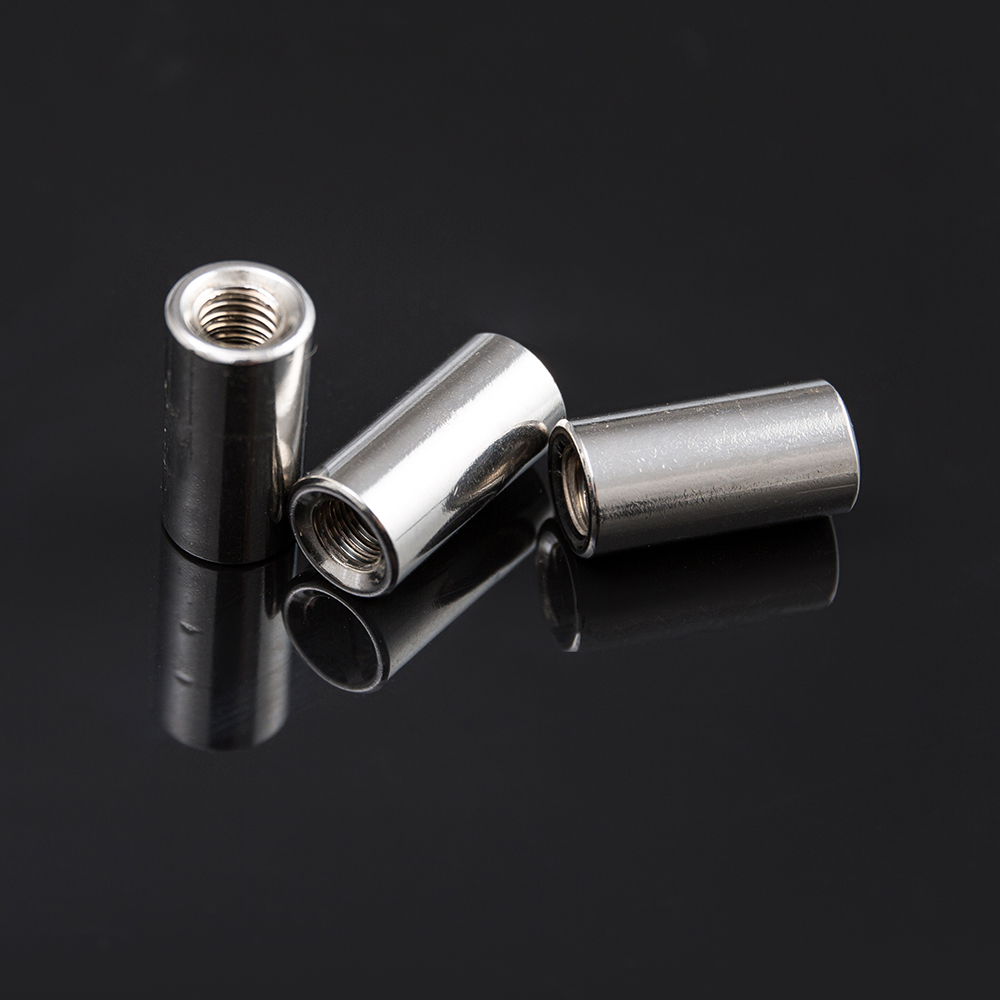
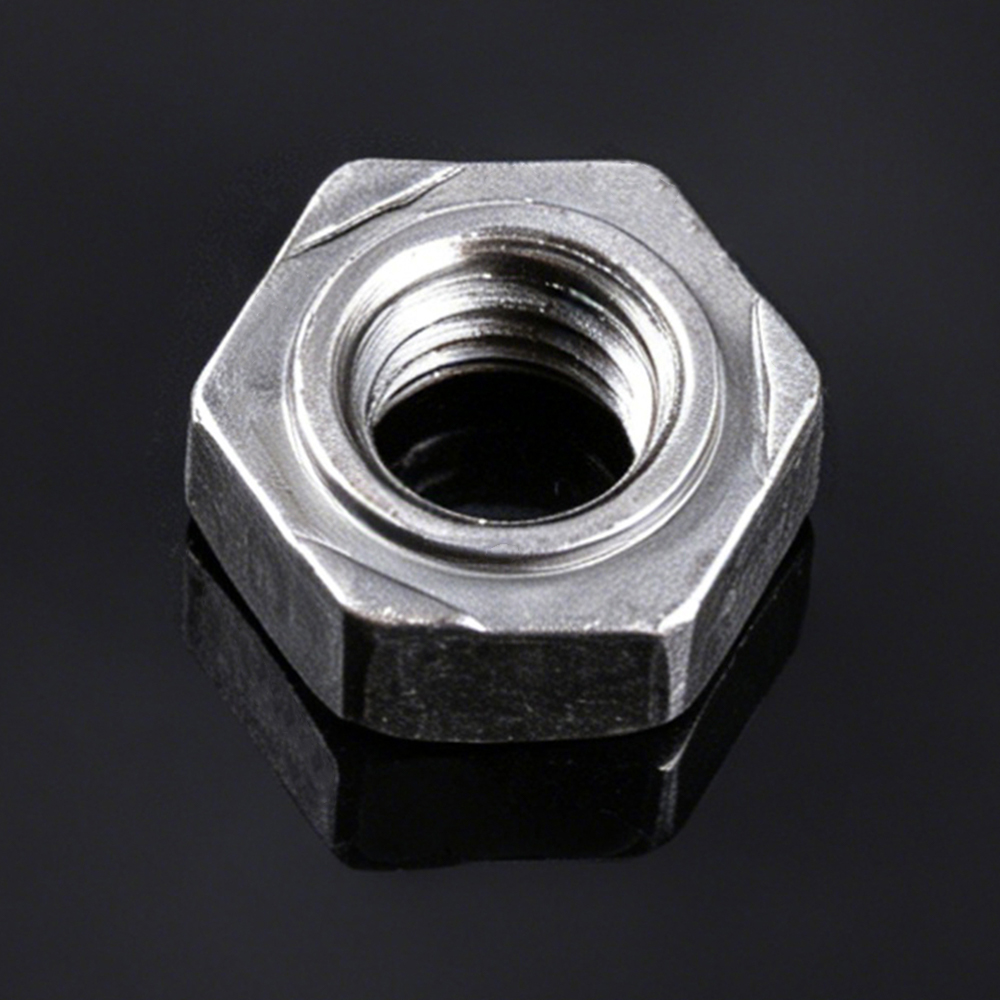
In industriële apparatuur, machines, elektronica en op maat gemaakte assemblages bieden moeren zoals vleugelmoeren, T-moeren, vierkante moeren en andere toepassingsspecifieke ontwerpen gerichte bevestigingsfuncties. Deze componenten vereisen vaak een zorgvuldige verwijdering omdat hun vorm, installatieposities en materialen kunnen verschillen van conventionele bevestigingsmiddelen. In dit artikel worden veilige verwijderingstechnieken uitgelegd terwijl verschillende categorieën worden onderzocht speciale noten , hun technische kenmerken en hoe professionele fabrikanten op maat gemaakte bevestigingsoplossingen ondersteunen.
Inzicht in speciale inzetmoeren en hun verwijderingsuitdagingen
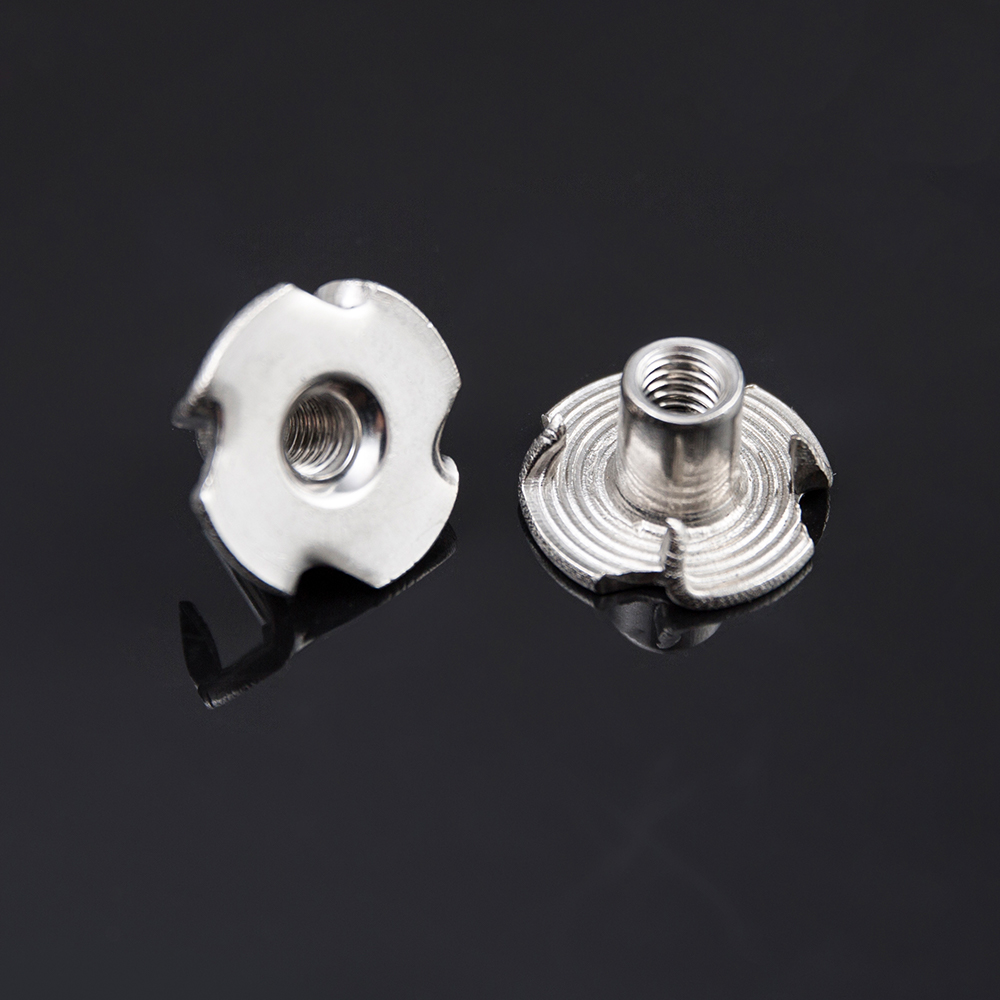
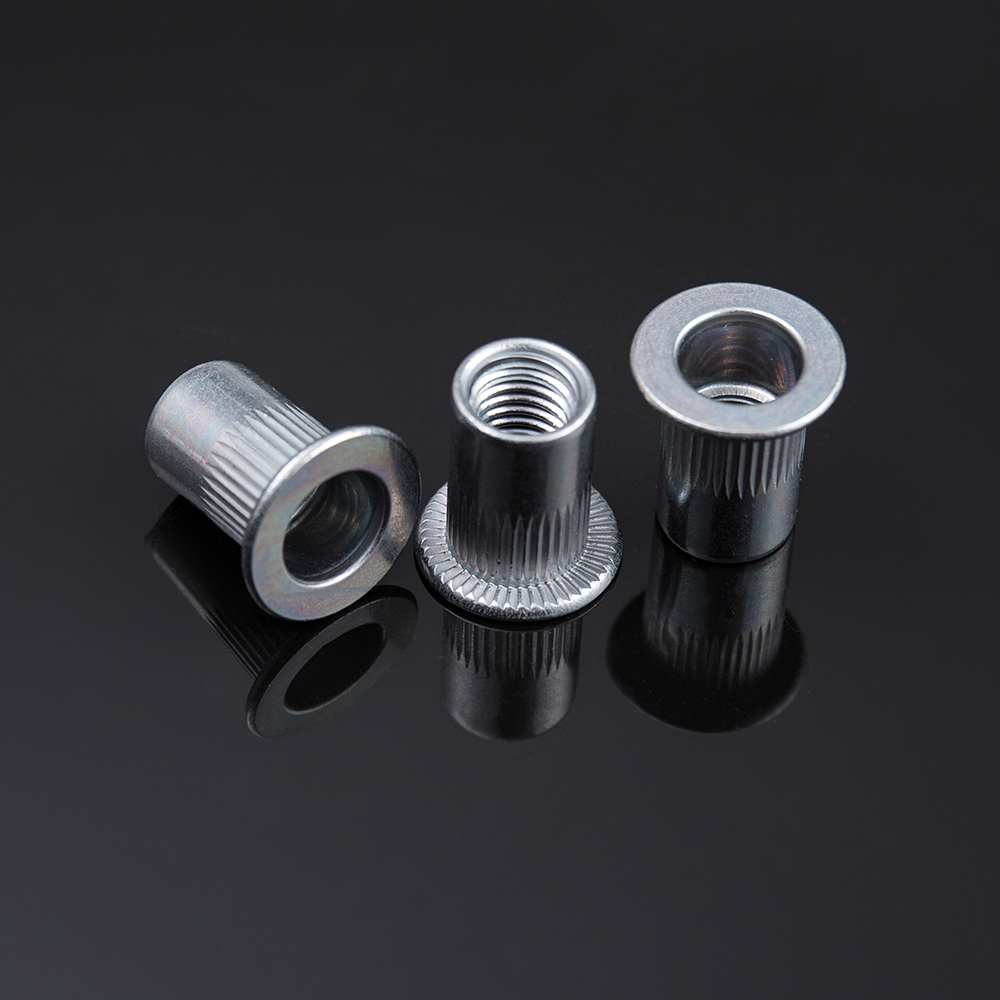
Tot de op maat gemaakte bevestigingscomponenten behoren speciale inzetmoeren worden veel gebruikt wanneer een schroefdraadverbinding moet worden geïntegreerd in materialen die traditionele schroefdraad niet direct kunnen ondersteunen. Deze moeren worden vaak geïnstalleerd in panelen, profielen, kunststoffen, composietmaterialen of dunne metalen constructies om duurzame bevestigingspunten met schroefdraad te bieden. Hun positioneringsfunctie maakt ze waardevol in elektronica, industriële apparatuur en precisieassemblages.
De grootste uitdaging bij het verwijderen van deze moeren is dat ze stevig in het basismateriaal kunnen worden ingebed. Roestophoping rond het schroefdraadgebied, overmatig installatiekoppel of blootstelling aan de omgeving kunnen ertoe leiden dat de moer en de bout aan elkaar hechten. Om deze reden moet de verwijdering zich richten op het verminderen van stress in plaats van onmiddellijk overmatige kracht uit te oefenen. De juiste aanpak omvat meestal het reinigen van het blootgestelde gebied, het toepassen van een geschikte penetrerende behandeling, het selecteren van het juiste gereedschap en het beschermen van de omringende structuur.
Fabrikanten die produceren speciale inzetmoeren moet rekening houden met draadnauwkeurigheid, materiaalcompatibiliteit, corrosieweerstand en installatievereisten. Deze factoren beïnvloeden niet alleen de productprestaties, maar ook de toekomstige onderhoudstoegankelijkheid. In industriële toepassingen verminderen goed ontworpen inzetmoeren het risico op schroefdraadbeschadiging en zorgen ervoor dat operators van apparatuur reparaties efficiënter kunnen uitvoeren.
- Inspecteer de moer en de omringende constructie voordat u kracht uitoefent.
- Verwijder oppervlaktecorrosie zorgvuldig om het verbindingsgebied bloot te leggen.
- Gebruik geschikt gereedschap dat past bij de moerstructuur en toepassing.
- Voorkom beschadiging van het basismateriaal tijdens de extractie.
Vleugelmoeren en vierkante moeren: omgaan met externe corrosie en vervorming
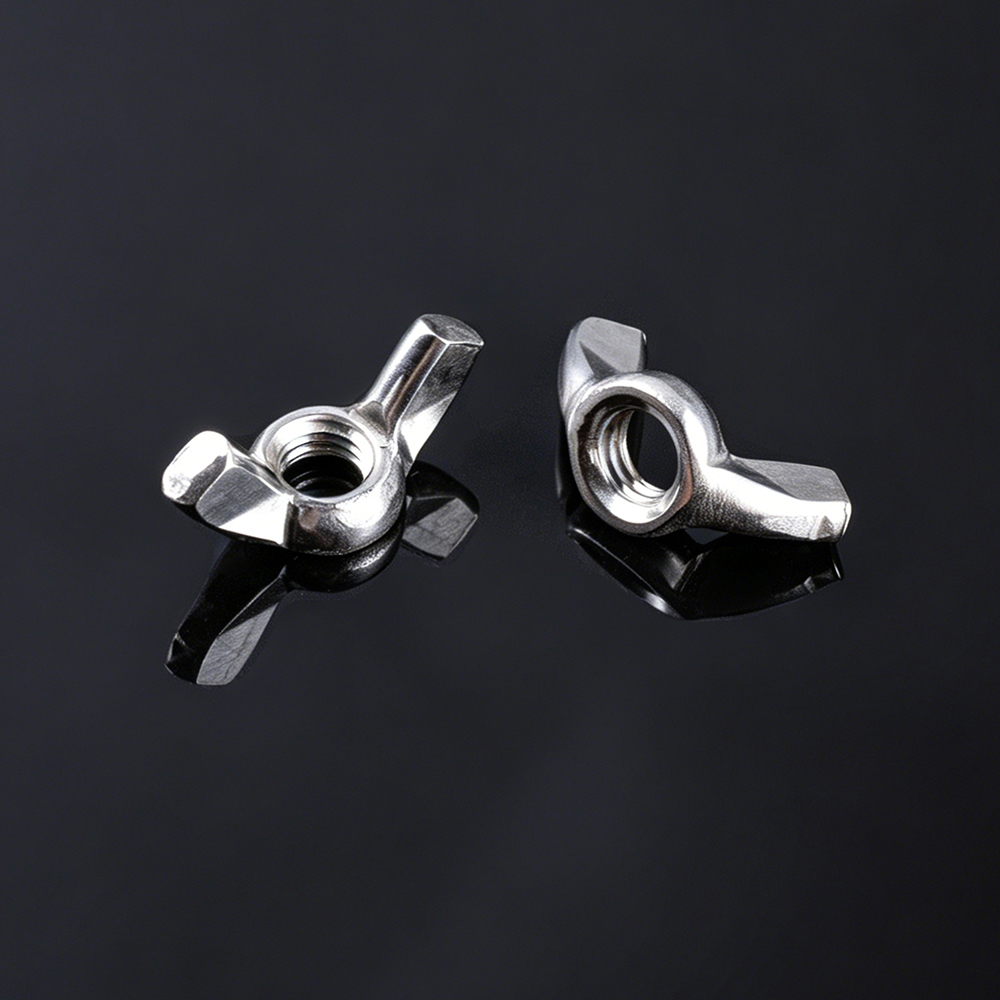
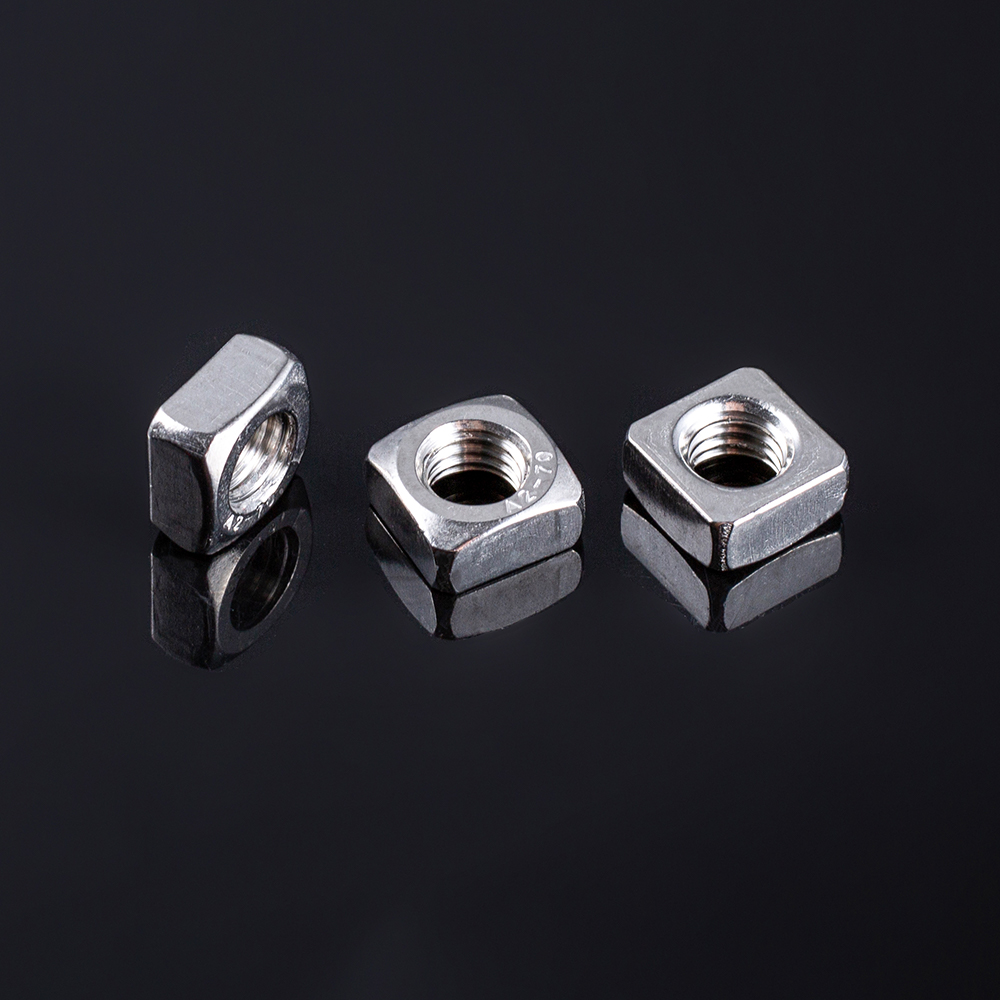
Vleugelmoeren en vierkante moeren vertegenwoordigen een andere belangrijke categorie speciale noten ontworpen voor specifieke installatieomstandigheden. Vleugelmoeren kunnen zonder gereedschap worden afgesteld door verlengde vleugels, waardoor ze geschikt zijn voor frequente montage en demontage. Vierkante moeren bieden meer oppervlaktecontact en weerstand tegen rotatie, waardoor ze bruikbaar zijn in kanalen, frames en industriële constructies.
Wanneer een vleugelmoer vastloopt, moet het verwijderingsproces de vleugelconstructie beschermen, omdat overmatige grijpkracht de verlengde delen kan buigen of breken. Een gecontroleerde aanpak met behulp van een geschikte tang of verstelbaar gereedschap is over het algemeen veiliger dan het forceren van de moer met een ongecontroleerde impact. Bij vierkante moeren kan corrosie rond de platte zijden de aangrijping van het gereedschap verminderen, dus het reinigen van de contactoppervlakken is een belangrijke voorbereidingsstap.
Deze moercategorieën verschillen van ingebedde bevestigingsoplossingen omdat ze meestal van buitenaf toegankelijk zijn. Hun voordeel is een eenvoudiger installatie en aanpassing, maar hun blootgestelde geometrie kan het contact met vocht, stof en industriële verontreinigingen vergroten. Het selecteren van de juiste materialen en oppervlaktebehandelingen tijdens de productie kan de levensduur aanzienlijk verlengen.
| Notencategorie | Hoofdfunctie | Typische toepassingen | Overwegingen bij verwijdering |
| Moeren plaatsen | Zorg voor interne schroefdraadverbindingen | Panelen, elektronica, machinebehuizingen | Bescherm het omringende materiaal en voorkom draadbeschadiging |
| Vleugelmoeren | Maak snelle handmatige aanpassing mogelijk | Armaturen, afdekkingen, verstelbare componenten | Voorkom vervorming van de vleugels tijdens het verwijderen |
| Vierkante noten | Zorg voor een stabiele anti-rotatiebevestiging | Frames, kanalen, industriële apparatuur | Handhaaf de aangrijping van het gereedschap aan de vlakke kant |
T-moeren en industriële moeroplossingen op maat voor moeilijke omgevingen
T-moeren zijn een andere gespecialiseerde bevestigingscategorie die vaak wordt gebruikt in toepassingen die een veilige positionering in sleuven of profielen vereisen. Ze worden vaak aangetroffen in machineconstructies, modulaire systemen en verstelbare apparatuur, omdat hun unieke vorm installatie in voorbereide kanalen mogelijk maakt. Vergeleken met standaard bevestigingscomponenten bieden T-moeren meer flexibiliteit tijdens montage en uitlijning.
Het verwijderen van een verroeste T-moer vereist zorgvuldige overweging, omdat de moer in een rail of profiel kan worden vergrendeld. Het uitoefenen van overmatige torsiekracht kan de sleufstructuur beschadigen en extra reparatiekosten met zich meebrengen. Professionele verwijderingsmethoden omvatten doorgaans het stabiliseren van het omringende onderdeel, het reinigen van het contactgebied en het geleidelijk losmaken van de verbinding terwijl de uitlijning behouden blijft.
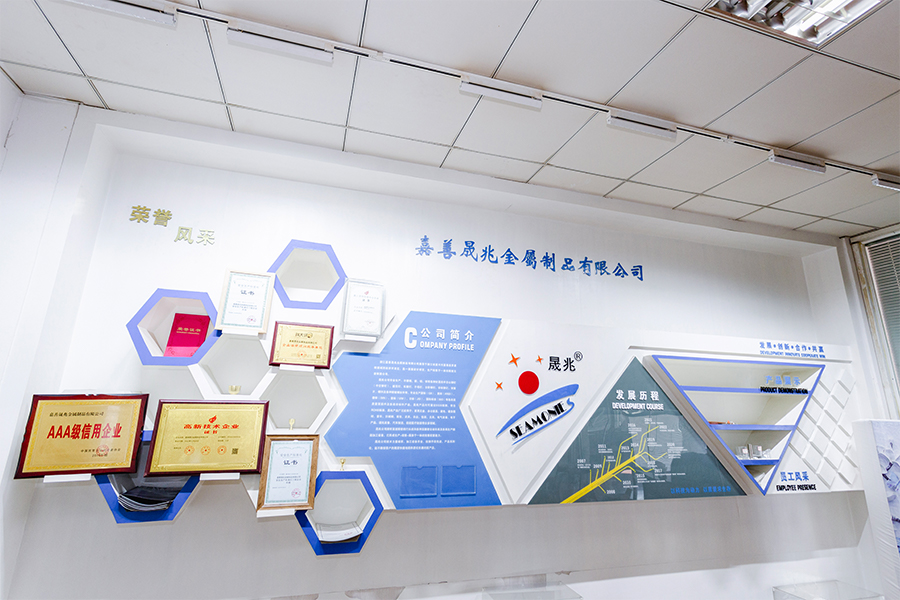
Moderne industriële klanten hebben vaak behoefte aan op maat gemaakte moerontwerpen die verder gaan dan de gebruikelijke categorieën. speciale noten kan ongebruikelijke vormen, niet-standaard afmetingen, speciale groeven of aangepaste materialen bevatten, afhankelijk van de apparatuurvereisten. Zhejiang Chance & Union Import and Export Co., Ltd. (Chance & Union) biedt op maat gemaakte bevestigingsoplossingen op basis van klanttekeningen, tolerantievereisten en materiaalnormen. Het bedrijf ondersteunt de productie van moeren, bouten, ringen, pennen, schroeven en andere precisiecomponenten door middel van koude kop-, warmsmeed- en CNC-bewerkingsprocessen.
Met productie-ervaring geërfd van SEA Monies Metal Co., Ltd., richt Zhejiang Chance & Union Import and Export Co., Ltd. zich op stabiele kwaliteitscontrole en internationale leveringsmogelijkheden. De productontwikkeling omvat roestvrij staal, gelegeerd staal, aluminiumlegeringen, koper, titanium, duplexstaal, Hastelloy en andere speciale legeringen. Dankzij deze mogelijkheden kunnen klanten bevestigingscomponenten verkrijgen die geschikt zijn voor veeleisende industrieën zoals de lucht- en ruimtevaart, elektrische voertuigen en medische apparatuur.
- Identificeer de moerstructuur en bepaal of deze verwijderbaar is zonder het geheel te beschadigen.
- Zorg voor geschikt gereedschap en verwijder corrosie uit het bevestigingsgebied.
- Pas gecontroleerde lostechnieken toe in plaats van overmatig geweld.
- Inspecteer het verwijderde onderdeel en beoordeel of vervanging nodig is.
Veilige verwijderingsprocedures voor verroeste en vastgelopen moeren
Ongeacht het type moer vereist een veilige verwijdering een systematisch proces. De eerste stap is visuele inspectie om het corrosieniveau, de vervorming, toegankelijkheid en potentiële risico's te identificeren. Verschillende materialen en ontwerpen reageren anders op mechanische kracht, dus het begrijpen van de moercategorie is essentieel.
De volgende fase omvat het voorbereiden van het verbindingsgebied. Vuil, oxidatie en oppervlakteverontreiniging moeten zorgvuldig worden verwijderd. Gereedschappen moeten overeenkomen met het moerprofiel om afronding of structurele schade te voorkomen. Als het onderdeel vast blijft zitten, wordt de voorkeur gegeven aan geleidelijke losmakingsmethoden boven agressieve methoden die nabijgelegen onderdelen kunnen aantasten.
Voor industriële klanten is preventie net zo belangrijk. Het selecteren van corrosiebestendige materialen, het toepassen van de juiste installatiemethoden en het kiezen van geschikte moerontwerpen kunnen toekomstige vastloopproblemen verminderen. Professionele leveranciers bieden ook technisch advies, foutanalyses, batchtraceerbaarheid en levenscyclusondersteuning om de betrouwbaarheid van de bevestiging te verbeteren.
Productiemogelijkheden achter betrouwbare speciale noten
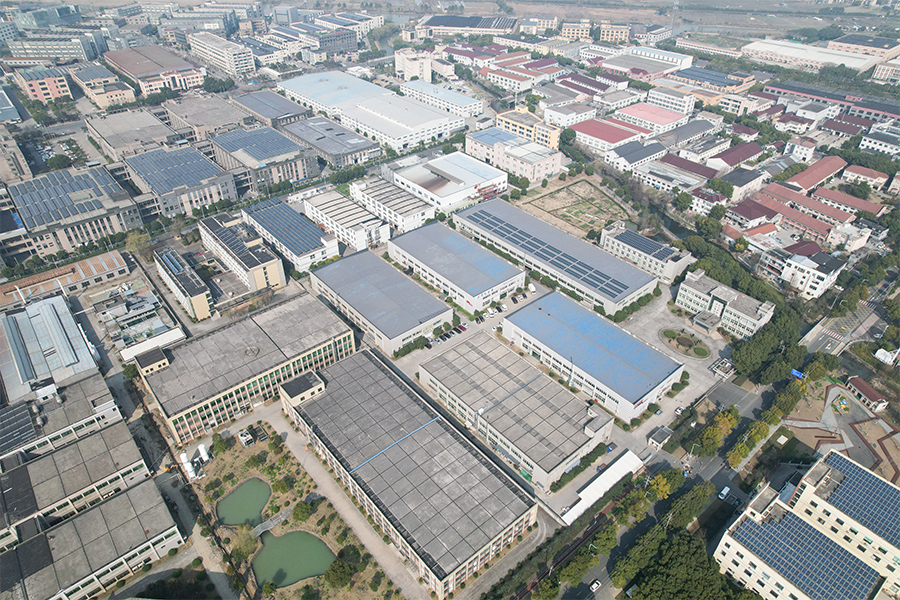
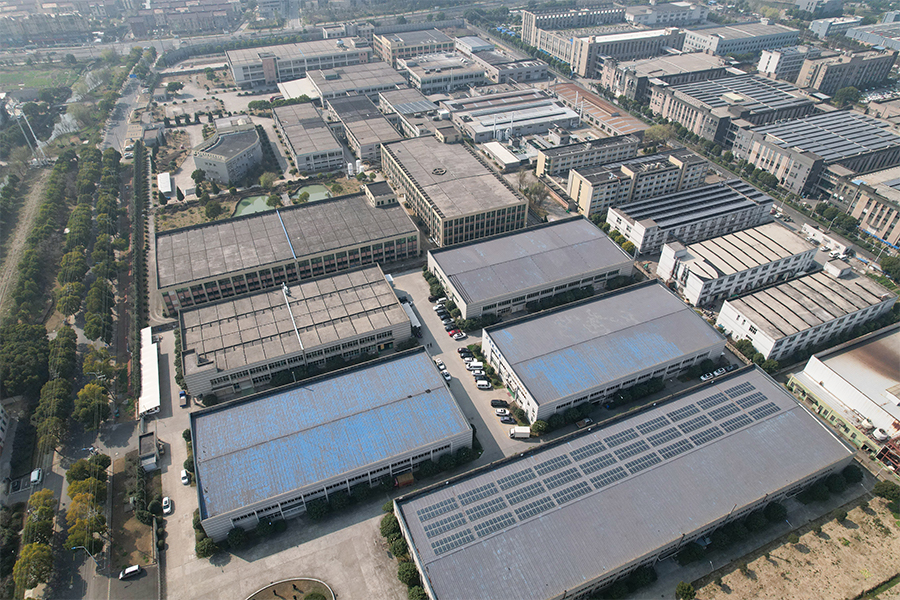
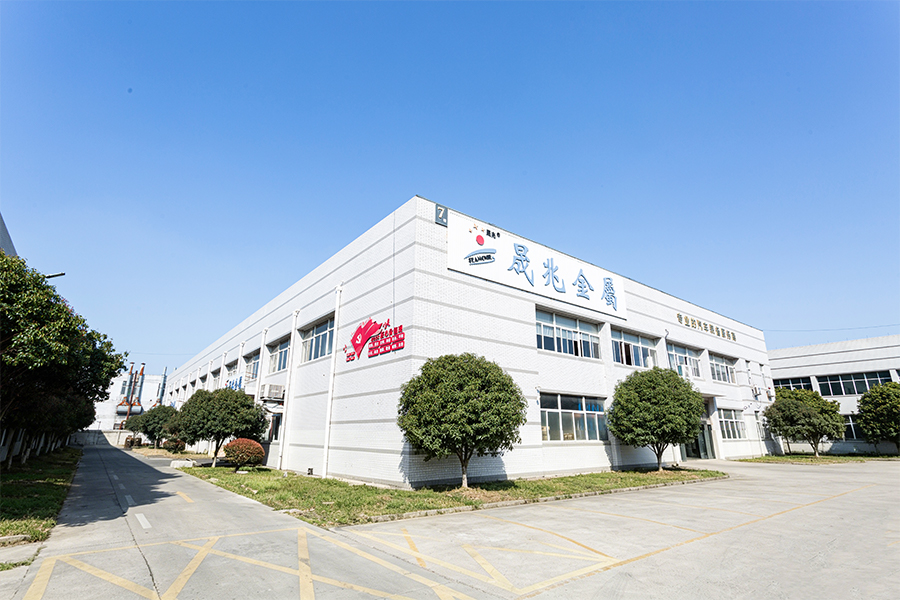
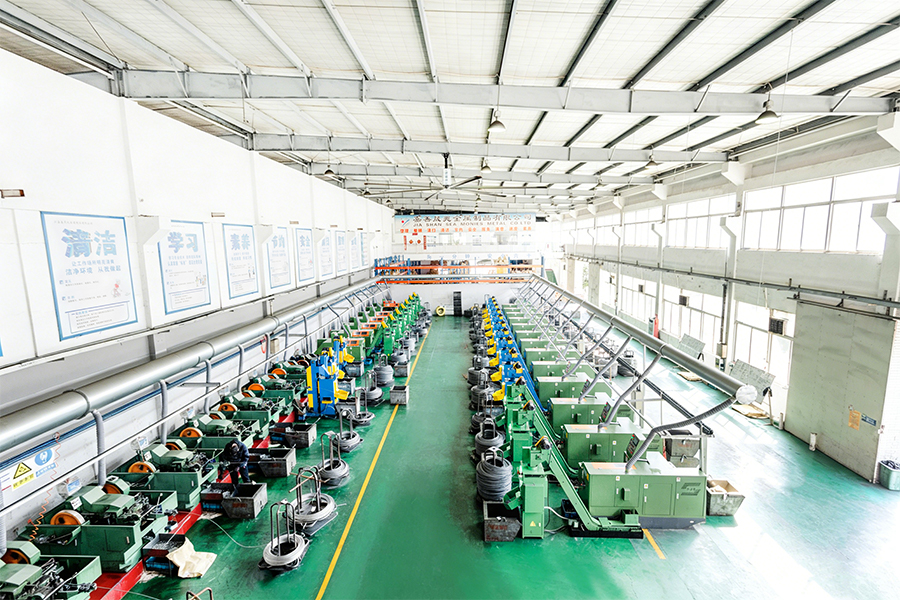
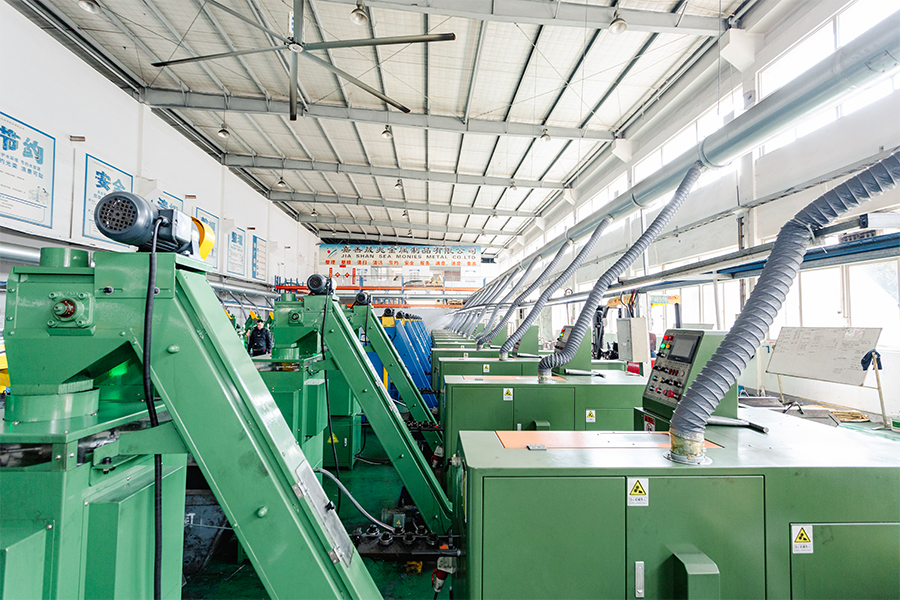
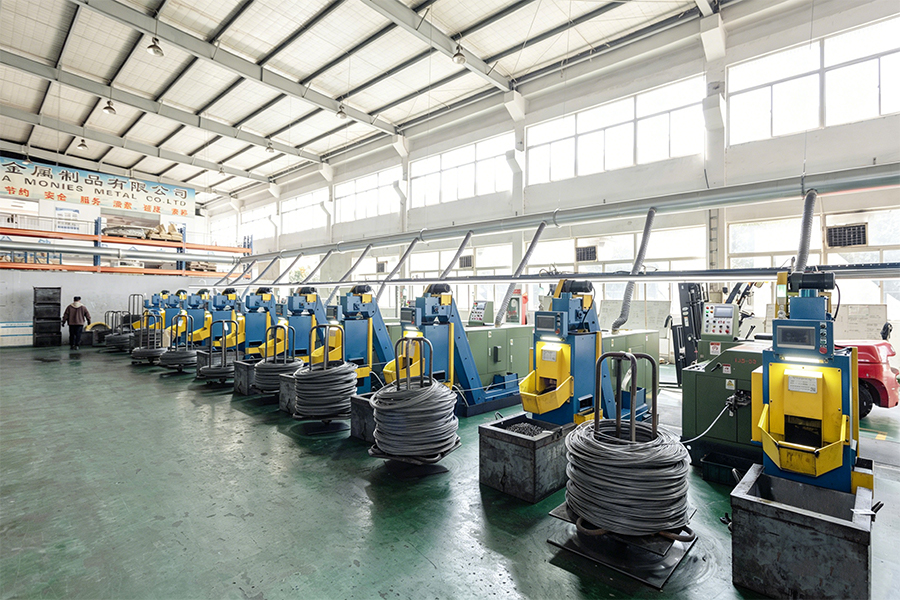
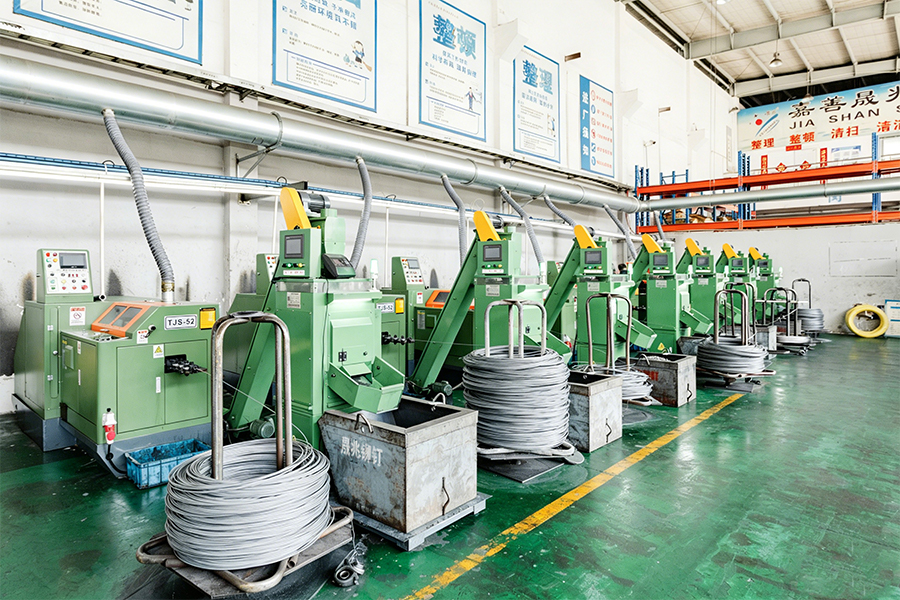
De prestaties van op maat gemaakte bevestigingscomponenten zijn sterk afhankelijk van de productieprecisie. Zhejiang Chance & Union Import and Export Co., Ltd. combineert onderzoeks- en ontwikkelingsmogelijkheden met geautomatiseerde productieprocessen om de consistentie bij bestellingen van grote volumes te behouden. Het bedrijf is gespecialiseerd in hoogwaardig, niet-standaard maatwerk, waaronder aangepaste vormen, speciale koppen, speciale groeven en ultralange of dunne componenten.
Door middel van strikt kwaliteitsmanagement en professionele technische ondersteuning helpt Chance & Union klanten bij het aanpakken van technische uitdagingen, van productontwerp tot toepassing in de echte wereld. De productieaanpak is gericht op precisietoleranties, materiaalkeuze en betrouwbare levering, zodat elke batch aan de specificaties van de klant voldoet.
Veelgestelde vragen
Vraag 1: Waar worden speciale noten voornamelijk voor gebruikt?
Speciale moeren zijn ontworpen voor unieke bevestigingsvereisten waarbij standaardmoeren geen geschikte installatie-, aanpassings- of structurele prestaties kunnen bieden. Ze worden vaak gebruikt in machines, elektronica, industriële apparatuur en op maat gemaakte assemblages.
Vraag 2: Hoe kunnen speciale inzetmoeren veilig worden verwijderd?
Het verwijderen van speciale inzetmoeren vereist zorgvuldige inspectie, corrosiereiniging, juiste gereedschapskeuze en gecontroleerde krachtuitoefening. Het doel is om schade aan het omringende materiaal of de interne schroefdraden te voorkomen.
Vraag 3: Wat maakt speciale noten anders dan standaardmoeren?
Moeren voor speciale doeleinden hebben meestal unieke vormen, installatiemethoden of prestatie-eisen. Ze zijn ontwikkeld voor specifieke toepassingen, zoals verstelbare constructies, ingebedde verbindingen of assemblages met beperkte ruimte.
Vraag 4: Kan Chance & Union op maat gemaakte speciale noten vervaardigen?
Ja. Zhejiang Chance & Union Import and Export Co., Ltd. biedt op maat gemaakte bevestigingsoplossingen volgens tekeningen, materiaalnormen en tolerantievereisten, ter ondersteuning van verschillende niet-standaard moerontwerpen en precisiecomponenten.





