









Welke materialen worden vaak gebruikt voor holle klinknagels en hoe beïnvloeden ze hun prestaties?
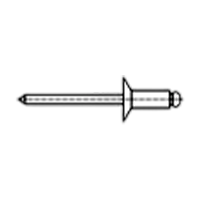
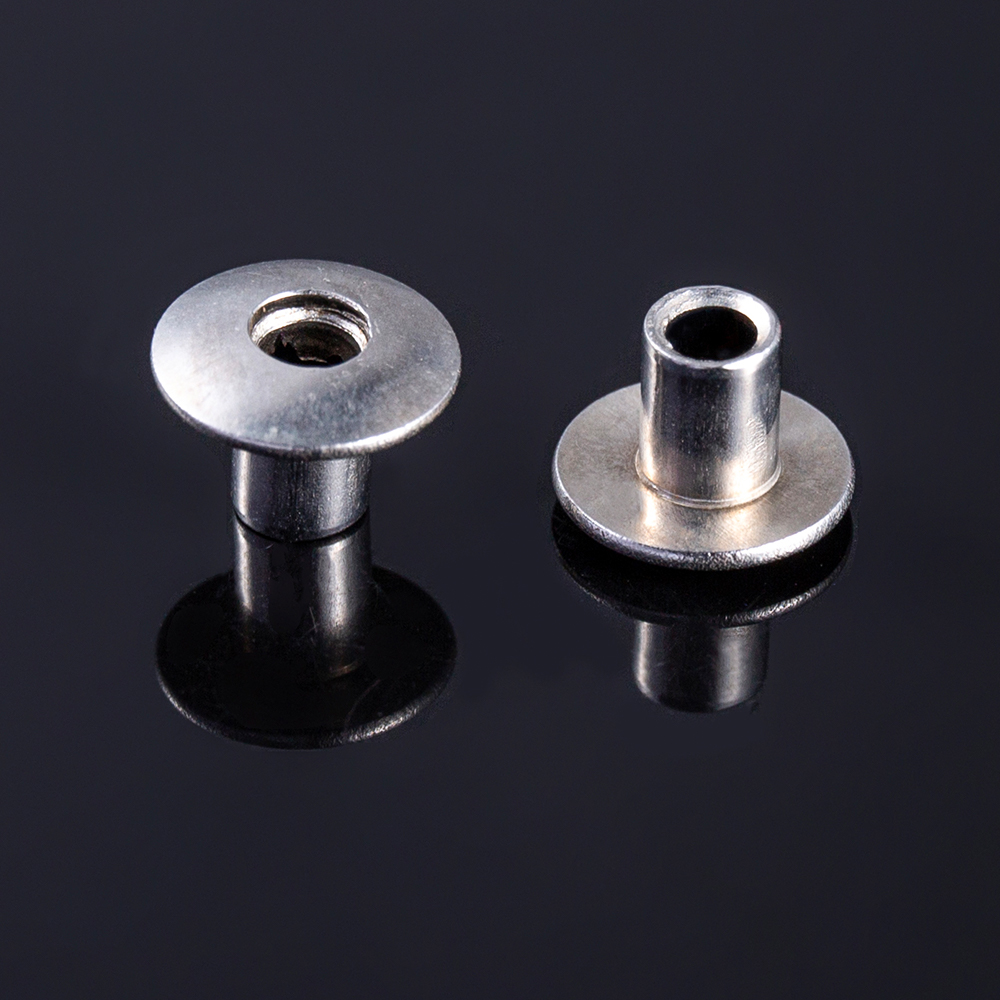
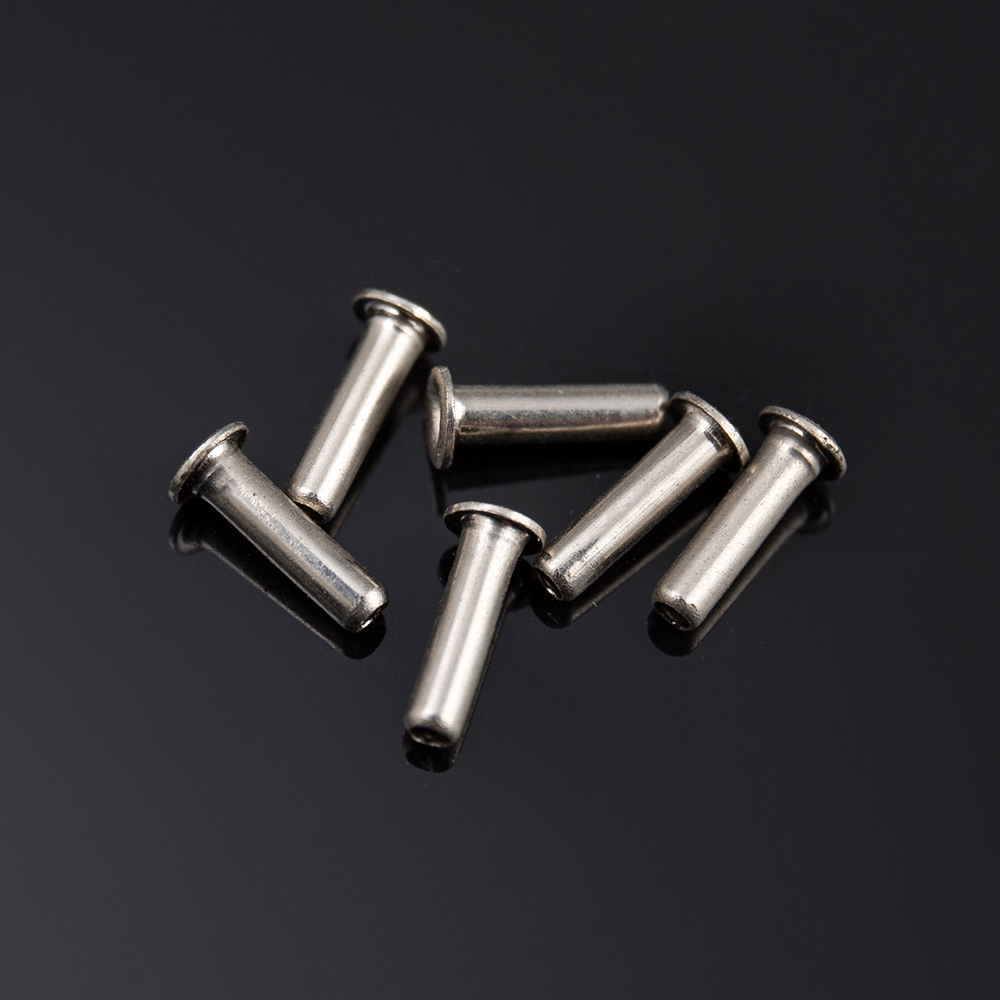
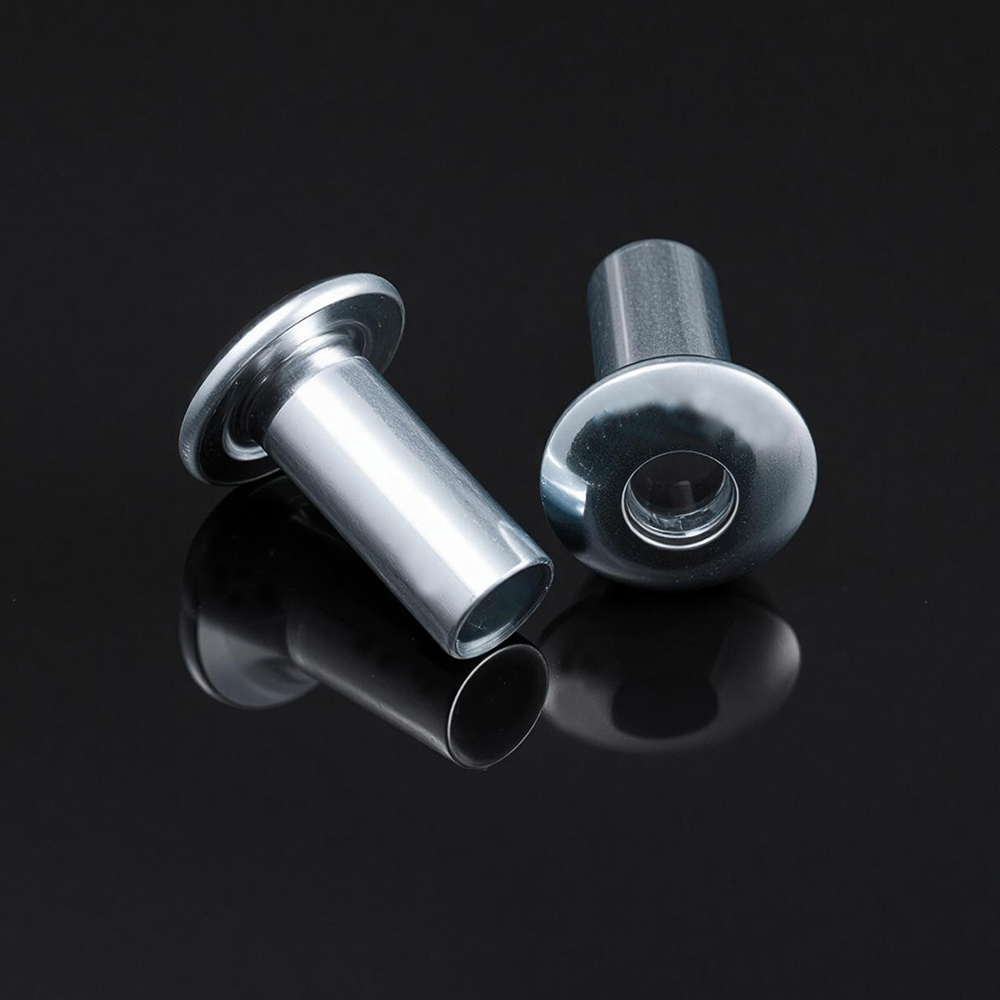
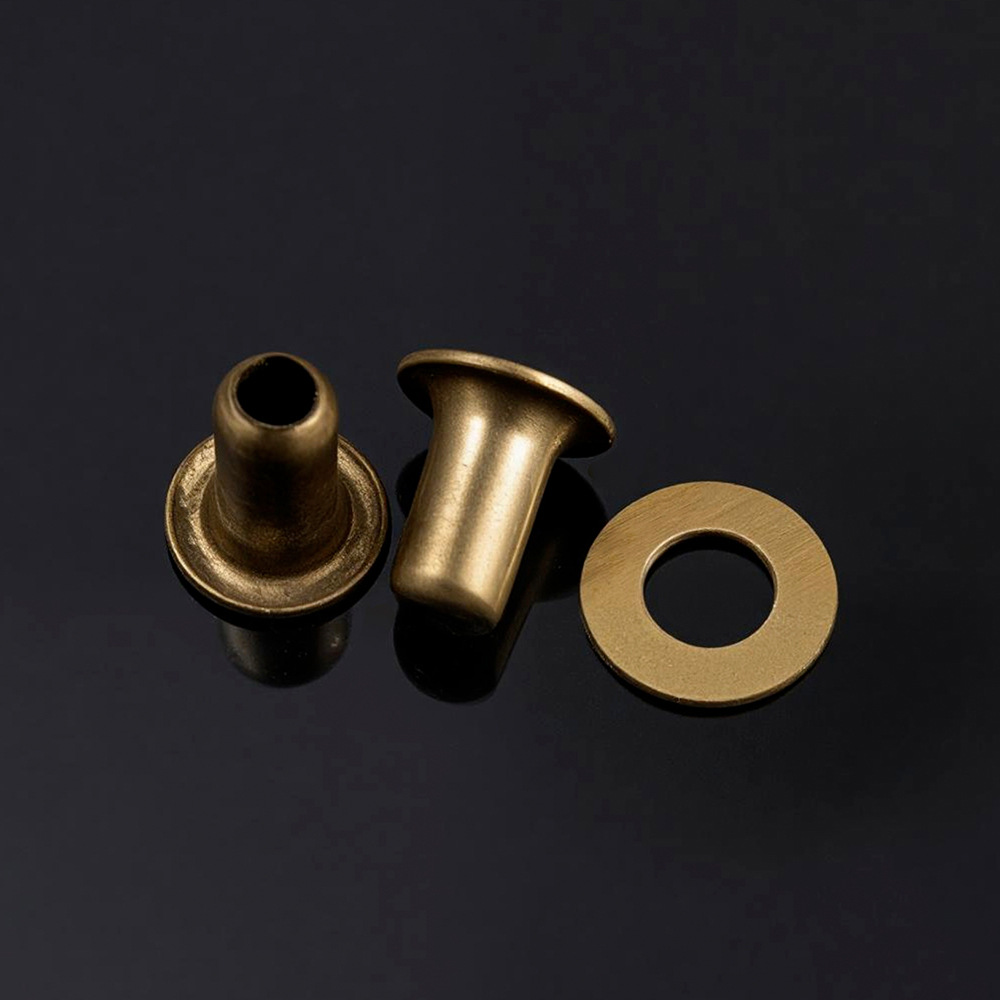
Holle klinknagels zijn bevestigingscomponenten vervaardigd met een hol gedeelte in het klinknagellichaam, waardoor gemakkelijker vervorming tijdens de installatie mogelijk is en de betrouwbare verbindingsprestaties behouden blijven. Het materiaal dat voor holle klinknagels wordt geselecteerd, heeft rechtstreeks invloed op hun mechanische sterkte, corrosieweerstand, gewicht, duurzaamheid en geschiktheid voor verschillende industriële omgevingen.
In de moderne productie is materiaalkeuze een kritische factor bij het ontwerpen van bevestigingsoplossingen. Verschillende industrieën vereisen verschillende prestatiekenmerken, zoals lichtgewicht constructie, hoog draagvermogen, corrosieweerstand of langdurige stabiliteit bij continu gebruik. Daarom moeten ingenieurs de toepassingsomstandigheden evalueren voordat ze geschikte materialen voor holle klinknagels selecteren.
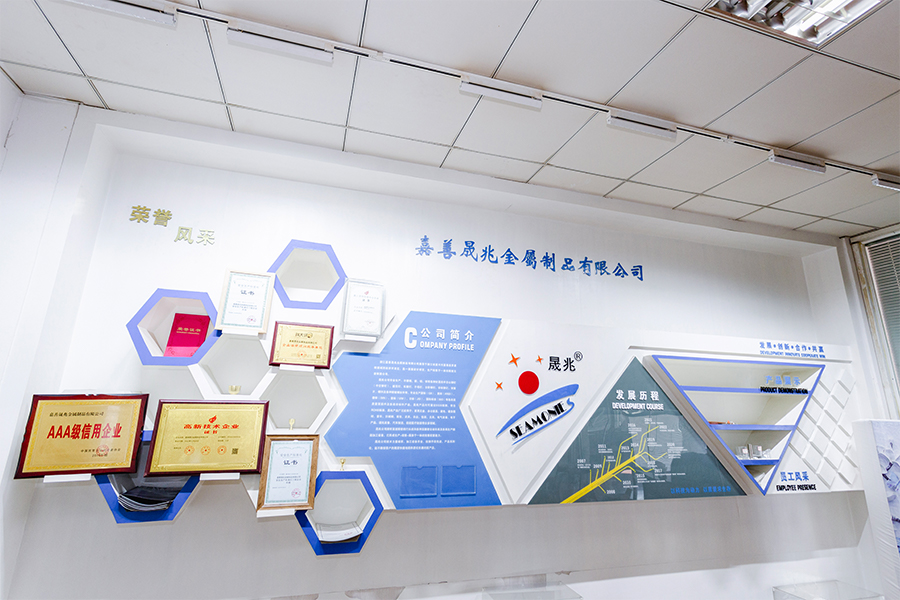
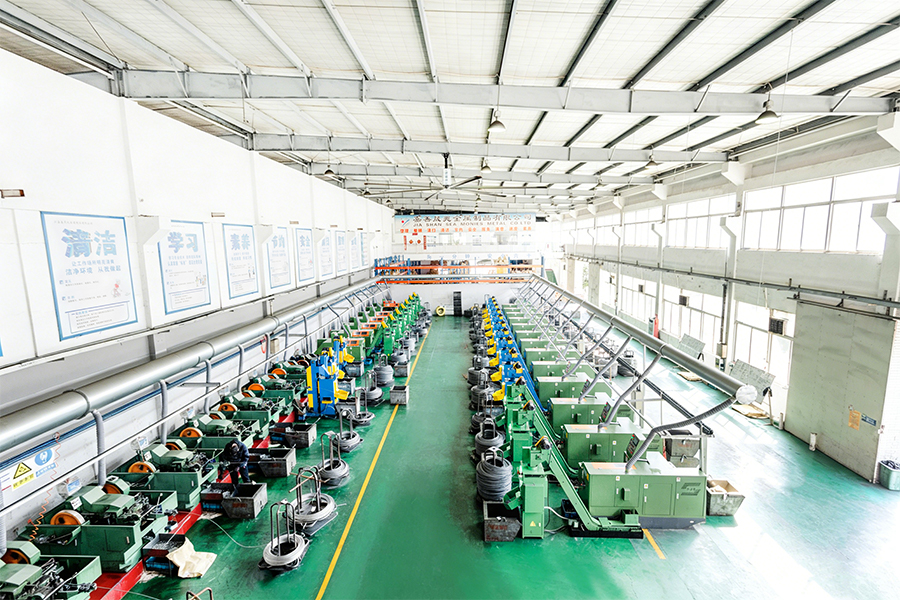
Zhejiang Chance & Union Import en Export Co., Ltd. (Chance & Union) is gespecialiseerd in bevestigingsmiddelen met hoge sterkte. Het bedrijf biedt bouten, moeren, ringen en op maat gemaakte onderdelen gemaakt van roestvrij staal, gelegeerd staal en meer, en bedient meer dan 200 klanten in 25 landen. Met 20 jaar ervaring in de sector biedt Zhejiang Chance & Union Import en Export Co., Ltd. (Chance & Union) op maat gemaakte bevestigingsoplossingen, van R&D tot massaproductie.
Voor industriële toepassingen die lichtgewicht constructies en betrouwbare bevestigingsprestaties vereisen, holle klinknagels flexibele oplossingen bieden met verschillende materiaalopties om aan verschillende technische vereisten te voldoen.
Waarom materiaalkeuze belangrijk is voor holle klinknagels
De prestaties van holle klinknagels zijn sterk afhankelijk van de fysieke en mechanische eigenschappen van het geselecteerde materiaal. Omdat holle klinknagels zijn ontworpen om tijdens installatie te vervormen, moet het materiaal een geschikt evenwicht bieden tussen sterkte en vormvermogen.
Belangrijke materiaalkeuzefactoren zijn onder meer:
- Mechanische sterkte: Bepaalt het draagvermogen van de klinknagel na installatie.
- Ductiliteit: Heeft invloed op hoe gemakkelijk de klinknagel kan worden gevormd zonder barsten of falen.
- Corrosiebestendigheid: Beïnvloedt de levensduur in verschillende omgevingen.
- Gewicht: Belangrijk voor toepassingen die lichtgewicht constructies vereisen.
- Temperatuurbestendigheid: Bepaalt de geschiktheid voor bedrijfsomstandigheden bij hoge temperaturen.
Veelgebruikte materialen voor holle klinknagels
Afhankelijk van de toepassingsvereisten worden verschillende materialen geselecteerd. De meest voorkomende materiaalopties zijn roestvrij staal, gelegeerd staal, koolstofstaal en aluminiumlegering.
| Materiaaltype | Belangrijkste kenmerken | Prestatievoordelen | Typische toepassingsvereisten |
| Roestvrij staal | Goede corrosieweerstand en stabiele mechanische eigenschappen | Lange levensduur en ecologische duurzaamheid | Toepassingen blootgesteld aan vocht, chemicaliën of buitenomstandigheden |
| Gelegeerd staal | Hoge sterkte en uitstekende mechanische prestaties | Sterk draagvermogen | Industriële assemblages die een hogere sterkte vereisen |
| Koolstofstaal | Evenwichtige sterkte en verwerkingsefficiëntie | Kosteneffectief en geschikt voor algemene toepassingen | Algemene industriële bevestigingsvereisten |
| Aluminiumlegering | Lichtgewicht met goede corrosieweerstand | Vermindert het totale gewicht van de componenten | Toepassingen die lichtgewicht constructies vereisen |
Holle klinknagels van roestvrij staal
Roestvast staal wordt op grote schaal gekozen voor holle klinknagels wanneer corrosiebestendigheid en duurzaamheid op de lange termijn belangrijk zijn. De stabiele mechanische eigenschappen maken het geschikt voor toepassingen die worden blootgesteld aan vocht, chemicaliën of veranderende omgevingsomstandigheden.
Voordelen van roestvrijstalen holle klinknagels zijn onder meer:
- Sterke weerstand tegen corrosie
- Goede oppervlakteduurzaamheid
- Stabiele prestaties in veeleisende omgevingen
- Geschikt voor langdurig industrieel gebruik
| Prestatiefactor | Roestvrij staal Hollow Rivets | Algemene stalen holle klinknagels |
| Corrosiebestendigheid | Hoge weerstand tegen blootstelling aan het milieu | Vereist extra bescherming in corrosieve omgevingen |
| Duurzaamheid | Geschikt voor langdurig gebruik | Afhankelijk van oppervlaktebescherming en omgeving |
| Applicatieomgeving | Geschikt voor veeleisende omstandigheden | Geschikt voor algemene industriële toepassingen |
Holle klinknagels van gelegeerd staal
Holle klinknagels van gelegeerd staal worden geselecteerd wanneer een hogere mechanische sterkte vereist is. Legeringselementen verbeteren de materiaaleigenschappen en zorgen ervoor dat de klinknagels hogere belastingen en mechanische spanningen kunnen weerstaan.
De belangrijkste kenmerken zijn onder meer:
- Hogere treksterkte
- Verbeterde slijtvastheid
- Betere prestaties onder mechanische belasting
- Geschikt voor zware toepassingen
| Prestatievereiste | Gelegeerd staal Hollow Rivets | Aluminiumlegering Hollow Rivets |
| Sterkte vermogen | Hogere belastbaarheid | Lagere sterkte met lichtgewichtvoordeel |
| Gewicht | Hogere materiaaldichtheid | Lager totaalgewicht |
| Primair voordeel | Mechanische duurzaamheid | Gewicht reduction |
Holle klinknagels van koolstofstaal
Koolstofstaal wordt vaak gebruikt voor holle klinknagels omdat het een balans biedt tussen sterkte, maakbaarheid en productie-efficiëntie. Het is geschikt voor toepassingen waarbij extreme corrosiebestendigheid niet de primaire vereiste is.
Holle klinknagels van koolstofstaal worden vaak gebruikt voor:
- Algemene industriële apparatuur
- Mechanische assemblages
- Verbindingen van metalen componenten
- Productietoepassingen voor grote volumes
Holle klinknagels van aluminiumlegering
Holle klinknagels van aluminiumlegering hebben de voorkeur in toepassingen waarbij het verminderen van het gewicht belangrijk is. Hun lichtgewichteigenschappen maken ze geschikt voor industrieën die efficiënt materiaalgebruik vereisen en tegelijkertijd betrouwbare bevestigingsprestaties behouden.
De belangrijkste voordelen zijn onder meer:
- Laag materiaalgewicht
- Goede corrosiebestendigheid
- Eenvoudige installatie door verminderde massa
- Geschikt voor lichtgewicht constructies
Hoe materialen de prestaties van holle klinknagels beïnvloeden
Het materiaal van een holle klinknagel bepaalt hoe deze presteert tijdens installatie en gebruik. Ingenieurs moeten rekening houden met zowel de installatievereisten als de gebruiksomstandigheden op de lange termijn.
| Materiële eigendom | Impact op de prestaties van holle klinknagels |
| Sterkte | Beïnvloedt het vermogen om externe belastingen en mechanische belasting te weerstaan |
| Ductiliteit | Beïnvloedt de vervormingskwaliteit tijdens installatie |
| Corrosiebestendigheid | Bepaalt de geschiktheid voor zware omstandigheden |
| Gewicht | Heeft invloed op het totale gewicht van de montage |
| Temperatuurbestendigheid | Beïnvloedt de prestaties bij toepassingen met hoge temperaturen |
Materiaalkeuzegids voor verschillende industriële toepassingen
| Toepassingsvereiste | Aanbevolen materiaaloverweging | Belangrijkste reden |
| Hoge corrosiebestendigheid | Roestvrij staal | Zorgt voor een betere ecologische duurzaamheid |
| Hoge mechanische belasting | Gelegeerd staal | Biedt hogere sterkteprestaties |
| Gewicht Reduction | Aluminiumlegering | Vermindert het totale structuurgewicht |
| Algemeen industrieel gebruik | Koolstofstaal | Brengt kracht en productie-efficiëntie in evenwicht |
Hoe Zhejiang Chance & Union holle klinknageloplossingen ondersteunt
Zhejiang Chance & Union Import en Export Co., Ltd. (Chance & Union) richt zich op het leveren van op maat gemaakte bevestigingsoplossingen voor industriële toepassingen. Met expertise op het gebied van zeer sterke bevestigingsmiddelen biedt het bedrijf bouten, moeren, ringen en op maat gemaakte onderdelen gemaakt van roestvrij staal, gelegeerd staal en andere materialen.
Door 20 jaar ervaring in de sector ondersteunt Zhejiang Chance & Union Import en Export Co., Ltd. (Chance & Union) klanten van R&D tot massaproductie en helpt bij het ontwikkelen van bevestigingscomponenten die voldoen aan specifieke eisen op het gebied van sterkte, duurzaamheid en toepassingsprestaties.
Veelgestelde vragen over holle klinknagelmaterialen
1. Wat is het meest geschikte materiaal voor holle klinknagels?
Het meest geschikte materiaal hangt af van de toepassingsvereisten, inclusief belastingsomstandigheden, blootstelling aan het milieu, gewichtsvereisten en duurzaamheidsverwachtingen. Roestvrij staal, gelegeerd staal, koolstofstaal en aluminiumlegeringen worden gewoonlijk geselecteerd op basis van verschillende prestatiebehoeften. Zhejiang Chance & Union Import en Export Co., Ltd. (Chance & Union) biedt op maat gemaakte bevestigingsoplossingen met verschillende materialen om aan industriële eisen te voldoen.
2. Welke invloed heeft de materiaalkeuze op de prestaties van holle klinknagels?
De materiaalkeuze heeft invloed op de sterkte, corrosieweerstand, installatieprestaties en levensduur. Roestvast staal biedt bijvoorbeeld een betere corrosieweerstand, terwijl gelegeerd staal een hogere mechanische sterkte biedt. Zhejiang Chance & Union Import en Export Co., Ltd. (Chance & Union) is gespecialiseerd in zeer sterke bevestigingsmiddelen en op maat gemaakte onderdelen gemaakt van roestvrij staal, gelegeerd staal en meer.
3. Waarom kiezen voor Zhejiang Chance & Union voor op maat gemaakte holle klinknageloplossingen?
Zhejiang Chance & Union Import en Export Co., Ltd. (Chance & Union) biedt op maat gemaakte bevestigingsoplossingen, van R&D tot massaproductie. Met 20 jaar ervaring in de sector bedient het bedrijf meer dan 200 klanten in 25 landen en richt het zich op het leveren van betrouwbare bevestigingscomponenten volgens specifieke industriële toepassingsvereisten.





